12-Ton Hydraulic Pipe Bender: 6 Dies for Clean Bends
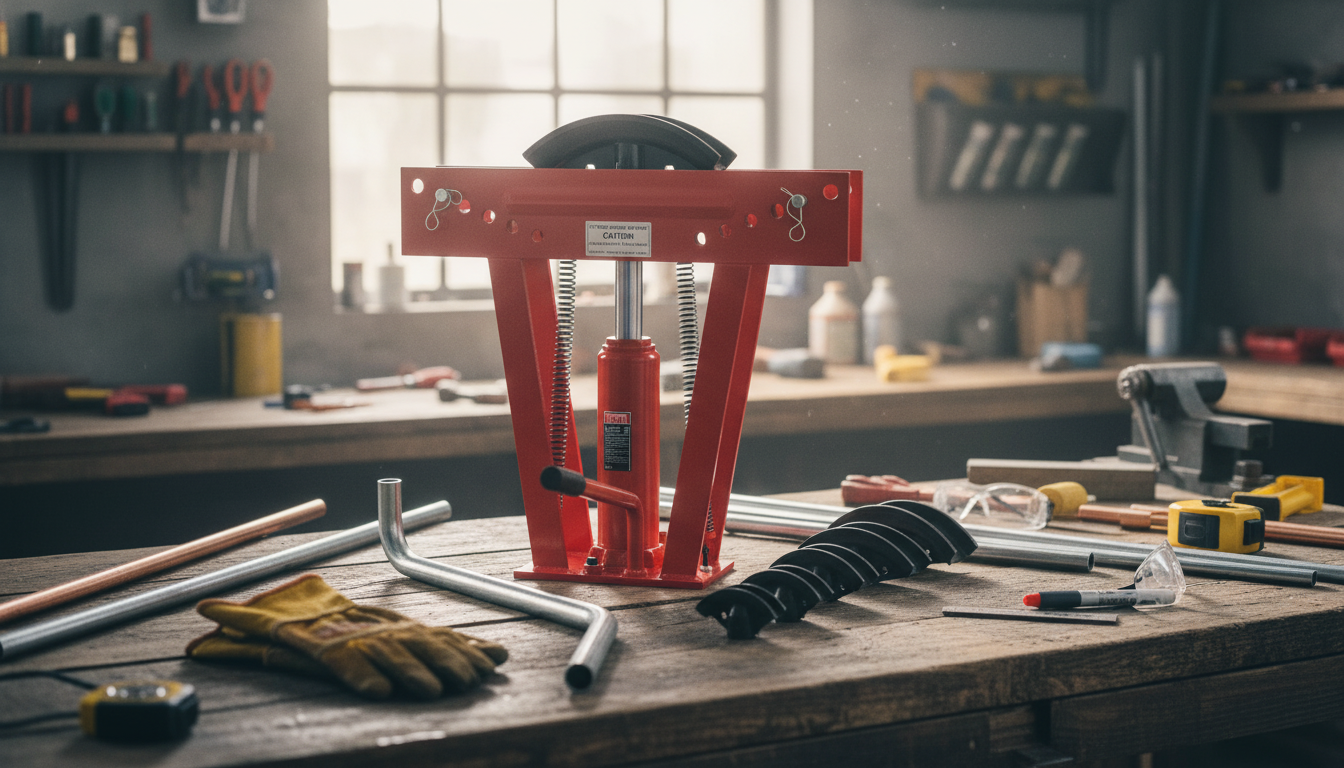
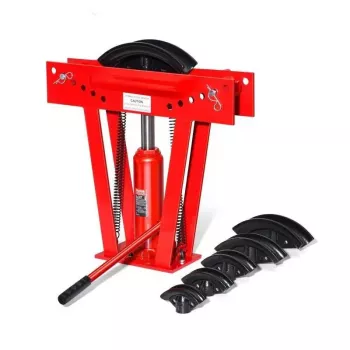
12 Ton Hydraulic Pipe Bender with 6 Dies for Copper, Steel & Exhaust Tubing
A hydraulic pipe bender is designed to deliver smooth, repeatable bends with far less effort than manual methods—especially when you’re dealing with thicker wall tubing, small pipe, or thin-wall exhaust runs that punish inconsistent pressure. A 12-ton class bender is a practical middle ground for many garages and small shops: strong enough for common steel tubing tasks, yet still straightforward to set up for copper lines and lighter fabrication work. Below are the key capabilities to expect, how die fit influences bend quality, and hands-on tips that help reduce kinks, flat spots, and twist.
What a 12-ton hydraulic pipe bender is built to do
A 12-ton hydraulic pipe bender uses hydraulic force to drive a bending shoe (die) into the workpiece while the tube is supported by rollers or pins. Compared with hand benders, the hydraulic jack reduces fatigue and makes it easier to repeat similar angles across multiple parts.
- Uses hydraulic force to move the bending shoe, improving consistency and reducing effort.
- Common shop uses: exhaust routing, light fabrication, brackets/frames, repair work, and custom tubing runs.
- Best results come from matching the die to the outside diameter and keeping the workpiece centered and supported.
For safety concepts that apply to many shop machines (pinch points, guarding, and safe operation habits), OSHA’s general machine safety guidance is a solid reference: https://www.osha.gov/.
Included dies and what they mean for fit
The included dies are what turn a powerful jack into a usable bending system. Die size and groove shape determine how well the tube sits during the bend. When the fit is close, the tube is supported across a larger contact area, which helps maintain roundness and reduces wrinkling. When the fit is off, defects show up quickly—especially in thin-wall exhaust tubing.
- Die size determines how well the tube sits in the groove; a close match helps reduce flattening and wrinkles.
- Using an undersized die can pinch/mark tubing; using an oversized die can allow slip and uneven bending.
- For exhaust tubing, confirm the tubing’s outside diameter and wall thickness; thin-wall tubing benefits most from correct die support and steady pressure.
Die selection checklist
| Check | Why it matters | Quick tip |
|---|---|---|
| Match die groove to tube OD | Improves bend roundness and reduces kinks | Measure OD with calipers; don’t rely on nominal sizes alone |
| Confirm wall thickness | Thin-wall tubing is easier to deform | Use slower pumping and support the tube to prevent ovaling |
| Verify material type | Copper, mild steel, and stainless behave differently | Test bend on offcut when possible |
| Plan bend radius/clearance | Tight bends need more control and alignment | Mark start/finish points and keep the tube square to the frame |
Bending copper, steel, and exhaust tubing: practical differences
Material behavior drives how you set up and how cautiously you apply pressure. Copper forms readily, steel demands force and alignment discipline, and thin-wall exhaust tubing needs the best possible die support to stay round.
- Copper tubing: bends more easily but can kink if unsupported; keep the tube seated fully in the die and apply steady pressure. For deeper background on copper tube properties and forming considerations, see the Copper Development Association: https://www.copper.org/.
- Mild steel tube/pipe: requires more force; ensure the bender is on a stable surface and the workpiece is aligned to avoid twist.
- Exhaust tubing (often thin-wall): more prone to flattening; prioritize correct die fit, slower pumping, and checking alignment frequently during the bend.
If you’re comparing bend behavior across materials, a general mechanics reference can help frame concepts like bending stress and deflection: https://www.engineeringtoolbox.com/.
Setup and safety basics before the first bend
Most “mystery” bend problems trace back to setup. A stable frame, a clean die groove, and clear alignment marks do more for bend quality than rushing to full pressure.
How to get cleaner bends with fewer flat spots
Common issues and quick fixes
Where this 12-ton bender fits in a shop workflow
Product snapshot: 12 Ton Hydraulic Pipe Bender with 6 Dies
If you want a ready-to-go option that covers multiple diameters for typical shop materials, the 12 Ton Hydraulic Pipe Bender with 6 Dies for Copper, Steel & Exhaust Tubing is built around a 12-ton hydraulic force class and includes six dies to broaden fit across common tubing sizes. For best results, confirm die-to-OD fit and make a short test bend on scrap to dial in springback and bend start position.
At-a-glance specs to confirm before purchase
| Item | What to verify | Why it matters |
|---|---|---|
| Capacity class | 12-ton hydraulic rating | Indicates available force for tougher materials/thicker walls |
| Die count | 6 included dies | More size coverage for varied shop jobs |
| Tubing compatibility | Copper, steel, exhaust tubing | Helps match the tool to intended materials and projects |
| Shop fit | Footprint and stable mounting surface | Improves safety and bend consistency |
Other in-stock picks
- RGB USB Condenser Microphone for Streaming, Recording, Gaming & Studio for clearer narration when documenting builds or recording tool setup notes.
FAQ
Will it work for exhaust tubing without crushing it?
It can, but thin-wall exhaust tubing is prone to flattening. Use the closest-matching die, keep the tube fully seated and centered, support the free end, and pump slowly while checking alignment frequently.
What causes a tube to kink during bending?
Most kinks come from a mismatched die size, bending too tight for the tube’s diameter/wall thickness, misalignment, or applying force too quickly. Cleaning the die groove and starting with straight, undamaged tubing also helps.
Do bends spring back after releasing pressure?
Yes—especially with steel. Expect some springback and plan to over-bend slightly, then check the angle with an angle finder or template to repeat the result consistently.















Leave a comment