Is Stoneware the Best Dinnerware for Daily Use?
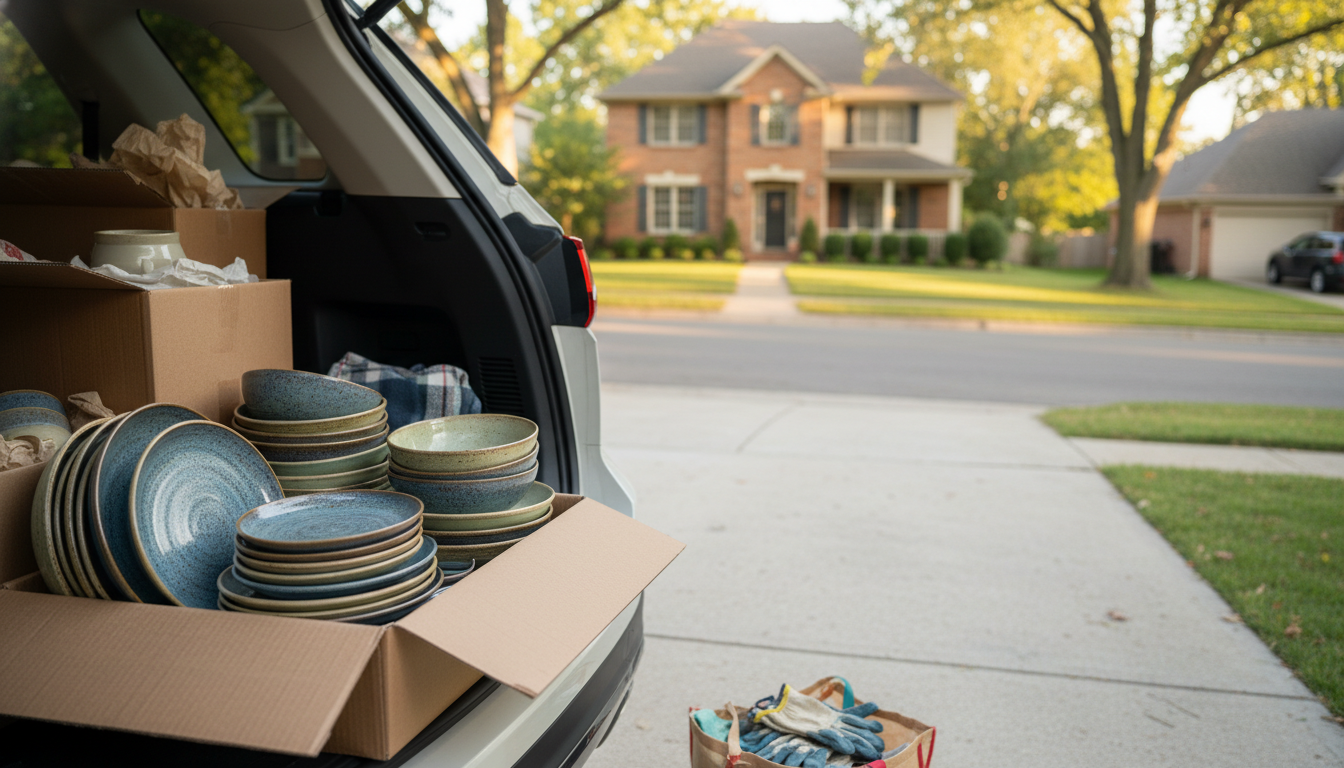
Is stoneware the best dinnerware?
Stoneware can be the best dinnerware for many homes because it balances everyday durability, a comfortable weight, and a wide range of styles. That said, “best” depends on how the dishes will be used—busy family meals, formal entertaining, tiny kitchens with limited storage, or frequent microwave and dishwasher use.
Why stoneware is a top pick for everyday use
Stoneware is fired at high temperatures, which helps it become dense and sturdy. In practical terms, that usually means plates and bowls that feel substantial in the hand, resist everyday scratching better than softer ceramics, and hold up well to regular dishwashing. Many stoneware sets are also microwave-safe, making them convenient for reheating meals without transferring food to another container.
Where stoneware can fall short
Stoneware isn’t automatically the “best” if lightweight dishes are a priority. Compared with bone china or some porcelains, stoneware can be heavier, which may matter for kids, seniors, or anyone who stacks dishes high in cabinets. It can also chip if dropped or knocked against hard surfaces, especially along rims—durable doesn’t mean unbreakable. Additionally, reactive or unglazed surfaces can stain or absorb odors if not properly finished, so choosing quality glazing matters.
How it compares to porcelain and bone china
Porcelain often feels lighter and can look more refined, making it a strong option for a cleaner, dressier table. Bone china is typically even lighter and can be surprisingly strong for its thinness, but it’s often pricier. Stoneware tends to win on casual versatility: cozy aesthetics, rustic-to-modern design choices, and a “daily driver” feel that many households prefer.
What to look for in a great stoneware set
Prioritize even glazing, smooth foot rings (to reduce table scratching), and consistent thickness across pieces. If you rely on ovens or air fryers with bake-safe dishes, confirm the manufacturer’s temperature ratings and whether sudden temperature changes are allowed.
For a deeper breakdown of pros, cons, and how to choose, visit the main guide on stoneware dinnerware.
FAQ
Does stoneware chip easily?
Stoneware is generally tough for daily use, but it can still chip if it’s dropped or hit against a sink, countertop edge, or other dishes. Choosing well-glazed pieces and avoiding harsh impacts helps reduce chipping.














Leave a comment