2600W Handheld Diamond Core Drill: Wet & Dry Concrete
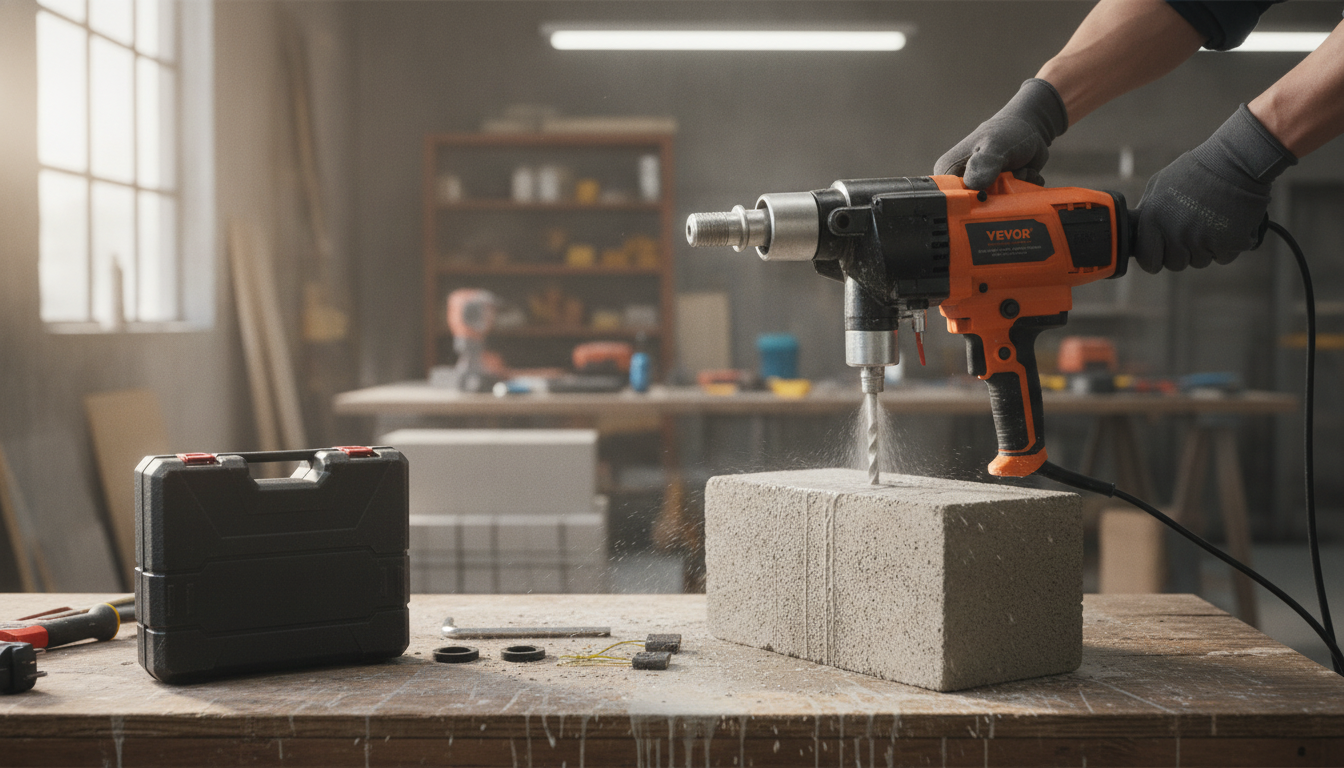
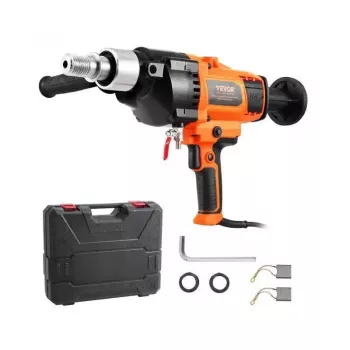
2600W Handheld Diamond Core Drill Machine for Wet & Dry Concrete and Stone Drilling
A handheld diamond core drill is built for clean, round openings through tough materials like concrete, brick, and stone. With the right setup—wet for dust control and bit life, or dry for speed and convenience—core drilling can produce accurate holes for plumbing, electrical, HVAC, anchors, and renovation work. This guide covers how a 2600W handheld core drill fits common jobs, what to look for in operation, and how to use it safely and efficiently.
What a handheld diamond core drill does (and where it’s used)
Unlike impact-heavy methods, diamond coring cuts a circular kerf with a bit that grinds mineral material using diamond segments. That typically means smoother, more controlled openings and less chance of spalling or cracking around the hole compared with aggressive percussion approaches in many situations.
- Creates circular openings with minimal vibration, helping protect nearby finishes and reducing breakout in many applications.
- Common tasks include pipe penetrations, conduit runs, venting, anchor passages, and collecting sampling cores.
- Works on concrete, masonry, brick, and stone when paired with compatible diamond core bits sized for the job.
- Handheld format favors mobility for spot work, tight spaces, and renovation areas where a full coring rig is impractical.
Wet vs. dry drilling: choosing the right mode for the job
Mode choice comes down to dust control, heat management, and site constraints. Wet drilling typically runs cooler and steadier in dense concrete, while dry drilling can be the go-to when water use is restricted or cleanup needs to stay dry.
Wet drilling
- Water cools the bit and helps maintain cutting consistency in hard aggregate.
- Dust is suppressed at the source, which is a major advantage for controlling respirable crystalline silica.
- Requires slurry planning: capture runoff, protect finished areas, and keep electrical connections dry and protected.
Dry drilling
- Convenient where water is not allowed (occupied interiors, sensitive equipment rooms, limited drainage).
- Needs effective dust extraction (ideally HEPA) and careful feed/rpm control to avoid overheating.
- Often best for smaller diameters, shorter runs, or masonry where heat is easier to manage.
| Factor | Wet Drilling | Dry Drilling |
|---|---|---|
| Dust control | Excellent (water suppresses silica dust) | Requires HEPA vacuum/extraction; higher dust risk |
| Bit temperature | Lower; better cooling | Higher; must manage heat and feed rate |
| Cleanup | Slurry management needed | Dry debris; easier to contain with vacuum |
| Best for | Dense concrete, larger diameters, longer runs | Areas where water is impractical; smaller/shorter holes |
| Primary caution | Water + electricity demands GFCI/RCD protection | Respirable silica control and overheating |
Key performance factors to check before drilling
A higher-power handheld core drill can hold rpm better under load, but performance still depends on matching the bit, speed, and technique to the material.
- Power and load handling: Higher wattage supports steadier cutting in dense concrete and thicker sections where smaller tools can bog down.
- Bit compatibility: Confirm the spindle/thread type and match the core bit range (diameter and type) to concrete or masonry.
- Speed control: Larger diameters generally want lower rpm; smaller diameters can run faster. Correct rpm reduces glazing and improves cut quality.
- Handle stability and stance: Handheld coring demands controlled body position to resist torque if the bit grabs.
- Heat management: Plan short pauses for cooling, especially in dry mode or when drilling dense aggregate continuously.
How to set up for clean, accurate holes
Operating steps that protect the bit and improve speed
Safety essentials for concrete and stone coring
- Control silica dust: Use wet methods or HEPA extraction to reduce exposure. Authoritative guidance is available from OSHA and NIOSH.
- Use GFCI/RCD protection in wet drilling: Keep connections elevated and away from standing water.
- Wear PPE: Eye/face protection, hearing protection, gloves, sturdy footwear, and a proper respirator—especially for dry coring.
- Brace for torque: Maintain stable footing and a firm two-hand grip; handheld core drills can kick if the bit catches rebar or binds.
Product snapshot: 2600W Handheld Diamond Core Drill Machine (wet & dry)
For installers and remodelers who want a mobile coring option, the 2600W Handheld Diamond Core Drill Machine – Wet & Dry Use for Concrete & Stone is built to support wet or dry operation depending on site needs. A 2600W power rating targets tougher materials and longer drilling sessions where lower-power tools may slow down under load. As with any coring setup, results depend heavily on pairing the tool with the correct diamond core bit type and diameter for the substrate.
Other in-stock picks that pair well with jobsite work
- RGB USB Condenser Microphone for Streaming, Recording, Gaming & Studio (useful for clear voice notes, walkthrough recordings, or remote coordination).
- Ultralight 4-Season Tent for 3-4 People with Double Layers and Living Room (a practical option for extended outdoor work trips and remote sites).
Care, maintenance, and troubleshooting
FAQ
Is wet drilling always better for concrete?
Wet drilling often performs better in dense concrete because it cools the bit and suppresses silica dust, which can extend bit life and keep the cut consistent. Dry drilling can still be the right choice when water is restricted or cleanup must stay dry, provided strong dust extraction and heat control are used.
Can a handheld core drill be used on reinforced concrete?
Yes, if the application and diamond bit are suitable for reinforced concrete and potential rebar contact. Use steady feed, brace for torque, and stop if the bit binds; scanning and safe-work practices help avoid surprises behind the surface.
How can silica dust be controlled during dry core drilling?
Use a proper dust shroud with HEPA vacuum extraction, wear an appropriate respirator, and keep filters maintained so suction stays consistent. If conditions allow, wet drilling is often the simplest way to reduce airborne silica at the source.













Leave a comment