Ultrasonic Cold Fog Humidifier: Quiet Cool Mist Comfort
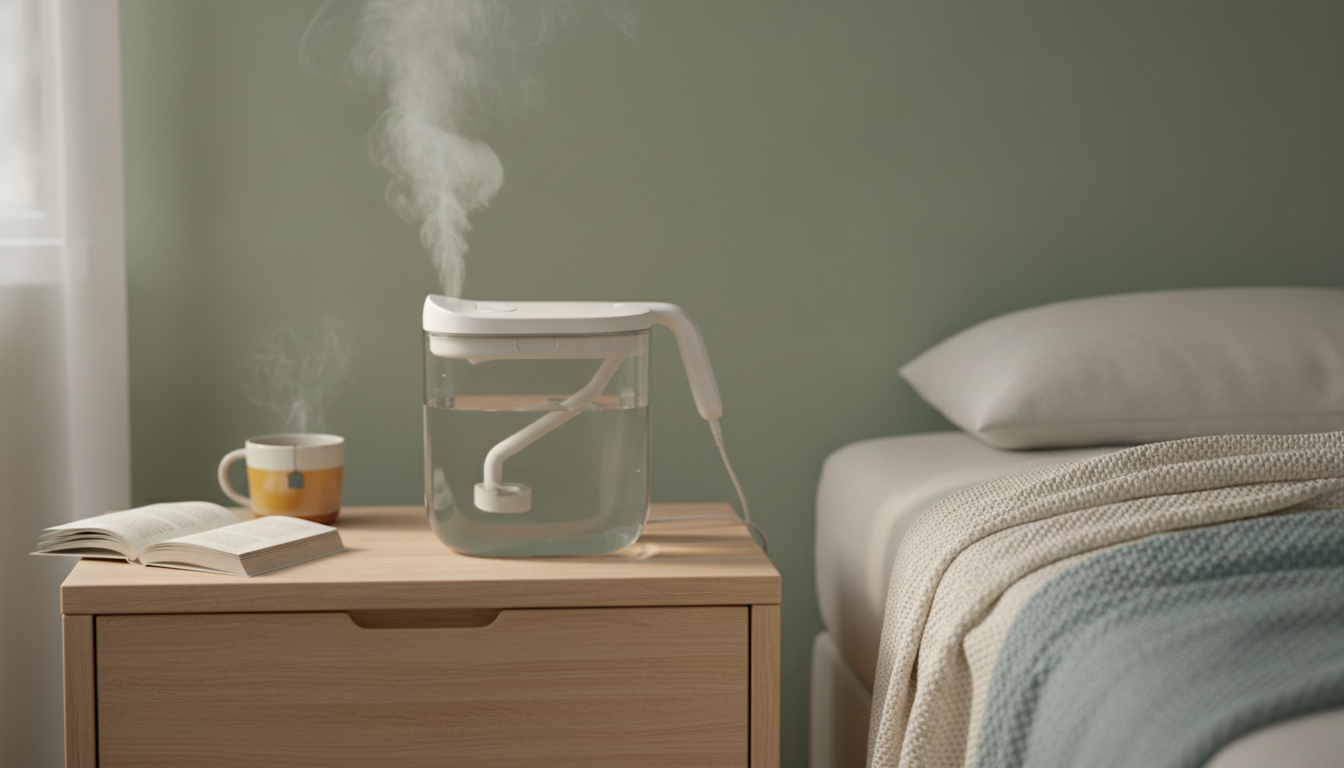
Ultrasonic Cold Fog Humidifier: Comfortable Moisture Without Heat
Dry indoor air can make rooms feel less comfortable and may contribute to scratchy throats, dry skin, and static. An ultrasonic cold fog humidifier adds cool mist to the air using high-frequency vibration, helping maintain a more balanced indoor environment in bedrooms, offices, and living spaces.
What an Ultrasonic Cold Fog Humidifier Does
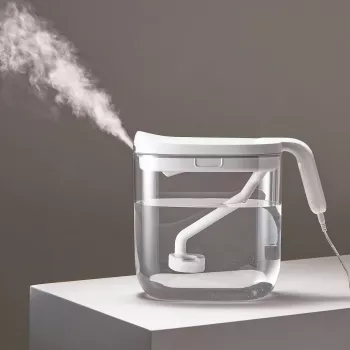
An ultrasonic cold fog humidifier releases a fine, cool mist that raises indoor humidity without heating the water. Instead of boiling water like a warm-mist model, it uses ultrasonic vibration to break water into micro-droplets that disperse into the air. Many people find the “cool fog” output feels lighter and the operation quieter than some warm-mist options, which can be a practical fit for sleep spaces. For best results, pair it with a realistic humidity target and a regular cleaning routine.
When a Cool Mist Unit Makes Sense
- Bedrooms: helps support overnight comfort when heating systems dry out the air.
- Nurseries and kids’ rooms: cool mist avoids hot surfaces associated with warm-mist units.
- Home offices: reduces dryness that can be noticeable during long screen-and-desk time.
- Seasonal transitions: useful when indoor humidity drops due to HVAC use or cold weather.
Key Benefits to Look For
- Stable mist output: consistent moisture release for more predictable comfort.
- Low-noise operation: especially helpful for light sleepers and shared rooms.
- Easy-fill and easy-clean design: fewer tight corners makes maintenance more realistic.
- Auto-off or low-water protection: reduces the risk of running the unit dry.
- Adjustable output settings: lets you fine-tune humidity for room size and season.
Humidity Targets That Keep Rooms Comfortable
Better humidity isn’t “as much as possible.” Too little humidity can feel dry, while too much can encourage condensation and mold. A small hygrometer (humidity meter) helps prevent over-humidifying, especially in winter when cold windows can collect moisture. If windows show consistent condensation, reduce mist output or run the unit less frequently.
Indoor humidity guide (practical targets)
| Situation | Suggested indoor humidity | What to watch for |
|---|---|---|
| Cold weather heating season | 30–40% | Window condensation; musty smells if too high |
| Mild seasons | 35–50% | Comfort level and static reduction |
| Allergy-sensitive households | 40–50% | Keep surfaces dry; clean unit frequently |
| If condensation or damp spots appear | Lower than current level | Mold risk increases with persistent dampness |
Placement Tips for Better Mist Distribution
- Place the unit on a stable, water-resistant surface to protect furniture from occasional droplets.
- Keep several inches of clearance around the outlet so mist doesn’t hit walls directly.
- Avoid positioning under shelves or near electronics; cool mist can settle if airflow is blocked.
- For larger rooms, place closer to the center or where airflow circulates (not tucked into corners).
- Keep out of direct sunlight and away from heat vents to prevent uneven evaporation patterns.
Water Quality and “White Dust” Basics
In some homes, minerals in tap water can become airborne and settle as a fine white dust. Using distilled or demineralized water can reduce mineral buildup and visible residue. If tap water is the only practical option, plan on more frequent cleaning to remove scale from internal surfaces. If a humidifier uses a filter or demineralization component, replacing it on schedule helps maintain performance and can reduce mineral-related issues.
Cleaning and Maintenance Routine
- Daily/regular: empty remaining water, rinse the tank, and let it air-dry when possible.
- Weekly: descale mineral deposits using manufacturer-safe methods and wipe reachable surfaces.
- Deep clean cadence: increase frequency with hard water or if the unit runs many hours per day.
- Mixing chemicals: never combine cleaning agents unless the manufacturer explicitly allows it; rinse thoroughly afterward.
- Odor check: if odor develops, stop use and clean fully; persistent odor can indicate biofilm buildup.
Safety and Comfort Notes
Use a humidity meter to prevent over-humidifying smaller rooms. If anyone in the home has asthma or respiratory sensitivity, prioritize strict cleaning and the correct humidity range. Keep cords routed to avoid trips, and avoid extension cords in areas prone to spills. If there’s visible mold growth nearby or recurring condensation on walls or windows, stop use and address moisture control first; the U.S. Environmental Protection Agency (EPA) guidance on mold and moisture is a helpful starting point, along with the CDC’s general mold information.
Troubleshooting Common Issues
Product Options to Consider
- Ultrasonic Cold Fog Humidifier — a cool-mist approach designed to raise indoor humidity without heat; pair it with a hygrometer and a simple cleaning schedule for consistent day-to-day results.
- RGB USB Condenser Microphone for Streaming, Recording, Gaming & Studio — a practical add-on for home offices or streaming setups where comfort and clear audio matter during long sessions.
- Magnetic Indoor Bike Trainer Stand for 24-28” & 700C Bikes – 6-Level Resistance — for indoor training spaces where managing airflow and comfort can make workouts feel better, especially in dry seasons.
FAQ
Is cold mist better than warm mist for a bedroom?
Cold mist is often preferred for bedrooms because it avoids hot surfaces and can feel more comfortable for overnight use. The best choice still depends on your room conditions, your humidity target, and how consistently the unit is cleaned.
What humidity level should a humidifier maintain indoors?
A practical indoor target is commonly around 30–50%, adjusting by season and room size. Use a hygrometer and reduce output if you notice condensation on windows or damp spots that could increase mold risk.
How often should an ultrasonic humidifier be cleaned?
Rinse and empty the tank regularly, aim for weekly cleaning to remove buildup, and clean more often if you have hard water or run the humidifier for long hours. Standing water and mineral scale can increase odor and reduce performance, so consistency matters.














Leave a comment