2200W Electric Jack Hammer: 6-Chisel Concrete Guide
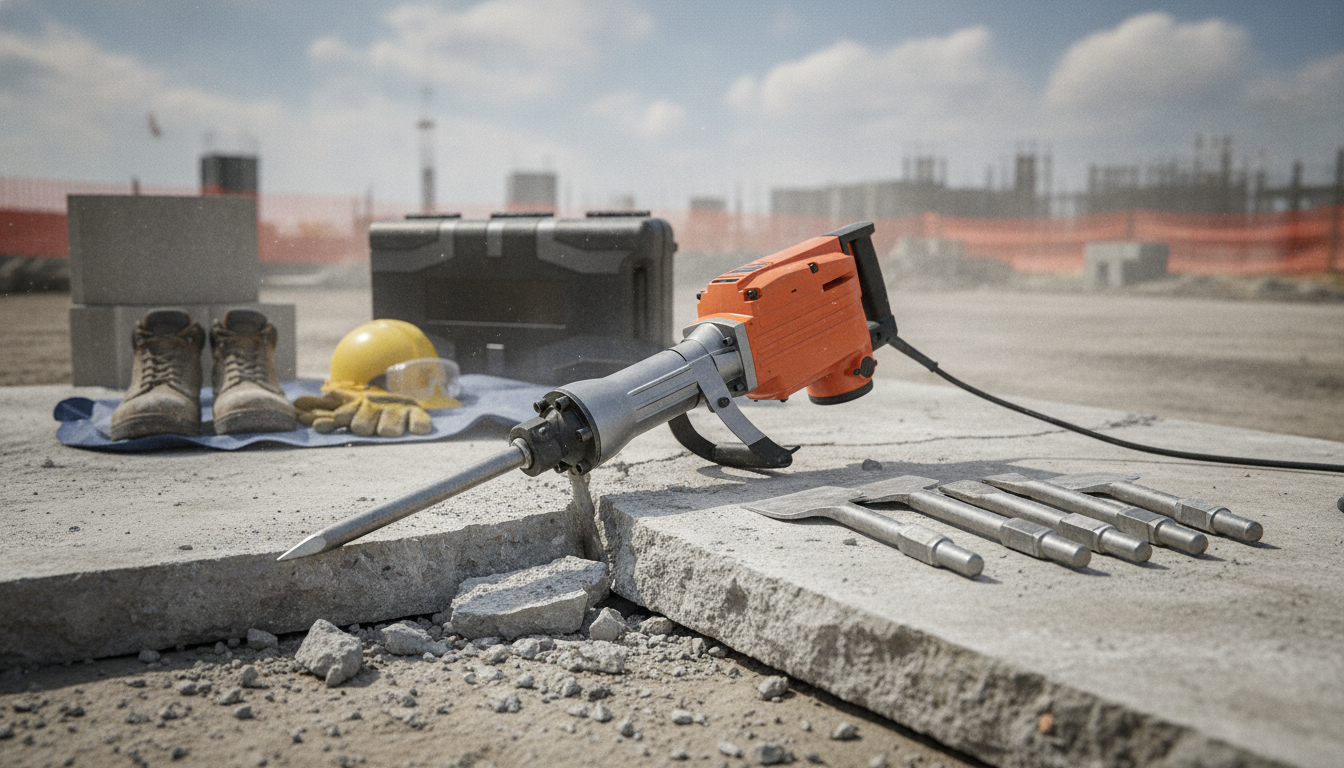
2200W Electric Jack Hammer with 6 Chisels: Practical Guide for Concrete, Masonry, and Demolition Work
A high-power electric jack hammer can turn hours of hand chiseling into a controlled, repeatable workflow—especially on concrete, brick, block, and stone. The key is matching the chisel profile to the material, setting up the break so the slab wants to crack where you need it to, and managing dust, noise, and fatigue. Below is a practical guide to getting cleaner results with fewer stuck bits and less mess.
What an Electric Jack Hammer Is Best At
- Breaking up concrete slabs, steps, and footings without needing an air compressor.
- Chiseling channels for conduit, pipe, or drain runs in masonry and concrete.
- Removing thinset, tile mortar, and stubborn coatings with the right chisel profile.
- Demolishing brick and block walls while keeping the work zone more controllable than large impact equipment.
- Jobsites where electricity is available and consistent runtime matters more than portability.
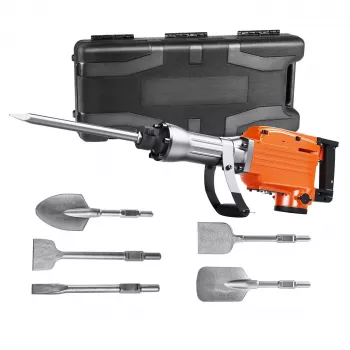
If the work is frequent and varied—some deep breaking, some surface scraping—an all-in-one kit can reduce downtime because you can swap to the right bit instead of forcing one chisel to do every task. For a ready-to-go setup, see the 2200W Electric Jack Hammer with 6 Chisels.
Key Specifications That Change Real-World Performance
- Motor power and impact energy: Higher wattage often supports harder materials and longer duty cycles, but efficiency still depends on ergonomics and chisel choice.
- Blows per minute (BPM): Higher BPM can peel brittle material quickly; lower BPM with strong impact can excel at initiating deep cracks in dense concrete.
- Tool holder type: Confirm the shank system before buying additional chisels so upgrades and replacements fit correctly.
- Weight and balance: Heavier tools can break faster but increase fatigue; a balanced body and auxiliary handle reduce wrist and shoulder strain.
- Vibration control: Reduced vibration improves comfort and helps keep the chisel planted instead of skating across the surface.
- Cord length and power requirements: Plan for a heavy-duty extension cord rated for jobsite loads so voltage drop doesn’t sap performance.
On hard aggregate, technique often matters as much as raw specs. A steady stance, correct angle, and short bursts can out-perform constant leaning that overheats the bit and makes it wander.
Included Chisels and When to Use Each
- Point chisel: Best for starting cracks, breaking thick concrete, and focusing energy in a small area.
- Flat chisel: General demolition, edging, and controlled breaking along a line.
- Spade/wide chisel (if included): Faster surface removal for tile bed, mortar, and thin layers of concrete.
- Bull point vs. narrow point: Narrow points concentrate force for tough areas; broader points can reduce “bit walking” on rough surfaces.
- Rotation and re-sharpening: Rotating bits during work reduces overheating and wear; re-sharpening preserves performance and lowers tool strain.
Chisel quick guide for common tasks
| Task | Best chisel shape | Technique tip |
|---|---|---|
| Break thick slab corners | Point | Start at edges; work inward to avoid binding. |
| Cut a channel in concrete | Flat | Score a line first; take shallow passes. |
| Remove tile mortar/thinset | Wide/Spade | Keep angle low; let the tool skim. |
| Split brick/block | Flat or Point | Work along mortar lines when possible. |
| Open a crack for prying | Point | Pulse in short bursts; avoid burying the tip too deep. |
How to Set Up the Job for Faster Breaking and Less Mess
For outdoor demolition or unpredictable weather, having a quick cover area can keep tools and extensions out of the rain between passes. A portable shelter like the Ultralight 4-Season Tent for 3-4 People with Double Layers and Living Room can double as temporary protection for gear when a garage or canopy isn’t available.
Safe Use Essentials
- Eye and face protection: Flying chips are common when concrete fractures; use safety glasses and consider a face shield.
- Hearing protection: Jack hammers can exceed safe exposure limits quickly; review OSHA guidance on occupational noise exposure.
- Respiratory protection: Concrete and masonry dust can contain respirable crystalline silica; follow the OSHA silica standard for construction and practical recommendations from NIOSH.
- Gloves and footwear: Reduce vibration irritation and protect from sharp debris; wear sturdy, slip-resistant boots.
- Stable stance and two-hand control: Keep the chisel angle shallow for surface work and more vertical for deep breaking.
- Pause if the bit binds: Binding can twist wrists/arms; release pressure, reposition, and reduce depth per pass.
Care and Maintenance That Protects Power and Chisels
When This 2200W Option Makes Sense
When a project calls for one tool to handle cracking, trenching, and scraping, a multi-chisel kit like the 2200W Electric Jack Hammer with 6 Chisels helps keep the workflow moving without constant trips to source different bits.
FAQ
Which chisel should be used for breaking thick concrete?
Start with a point chisel to initiate cracks at edges and corners, then switch to a flat chisel to widen fractures and guide the break along a line. Working from free edges reduces binding and speeds up the break.
Can an electric jack hammer remove tile mortar and thinset?
Yes—use a wide/spade or flat chisel at a low angle so it skims the surface instead of gouging. Use short bursts and manage dust with appropriate controls for the space.
What safety gear matters most when using a jack hammer indoors?
Prioritize hearing protection, eye/face protection, and silica-dust control (ventilation, dust suppression when safe, and a suitable respirator when needed). Gloves and sturdy boots help with vibration comfort and sharp debris.













Leave a comment