HEPA + Carbon Air Purifier Guide for Smoke & Odors
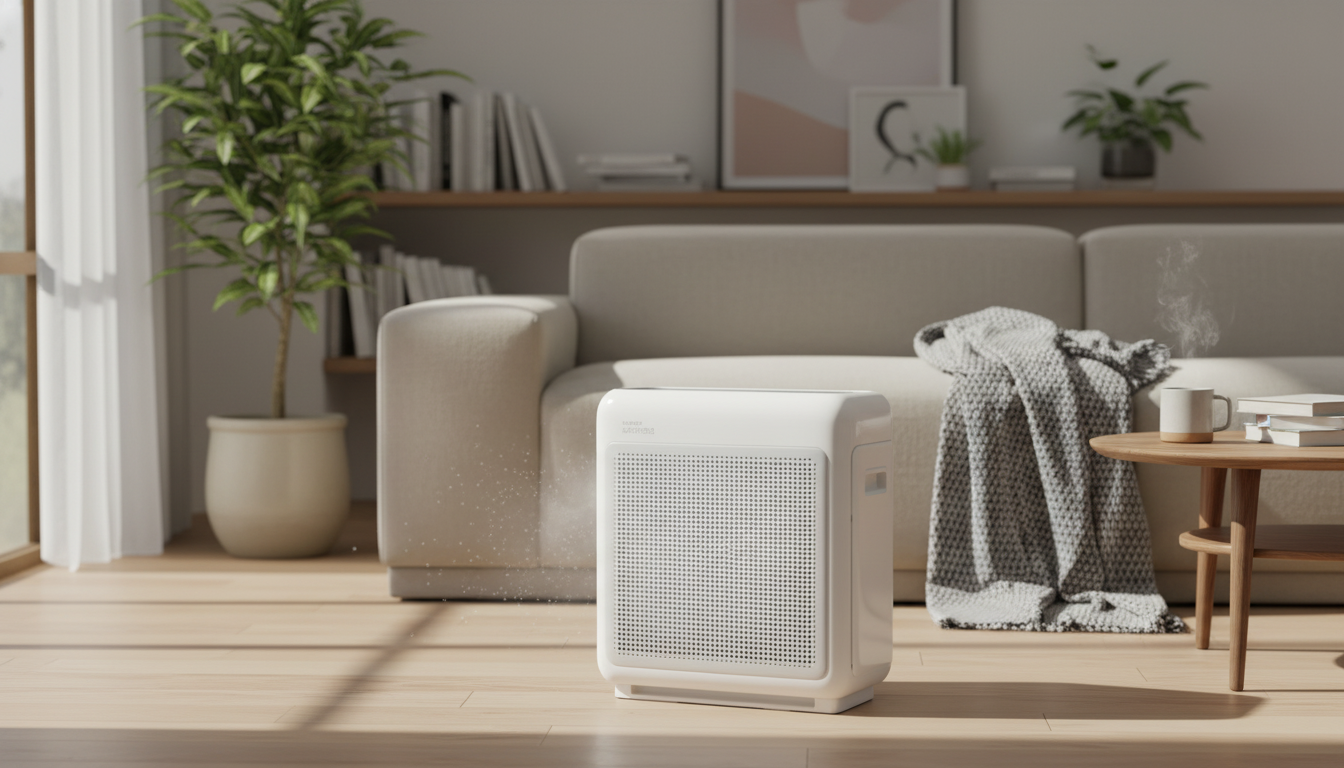
Advanced HEPA & Activated-Carbon Air Purifier: Cleaner Air for Particles, Odors, and Smoke
Indoor air can carry a mix of fine particles and lingering gases from cooking, traffic drift, pets, and everyday cleaning products. An advanced purifier that combines HEPA filtration with activated carbon targets both sides of the problem—capturing airborne particulates while reducing odors and certain VOCs—so rooms feel fresher and easier to breathe in.
Whether you’re trying to tame seasonal allergens, cut down on dust buildup, or make a room more comfortable during smoke-prone days, the right filtration setup can make a noticeable difference when it’s sized correctly, placed well, and maintained on schedule.
What HEPA + Activated Carbon Does (and What It Doesn’t)
Air cleaning works best when you match the filter media to the type of pollution you’re dealing with. Particles (like dust and smoke soot) behave differently than gases (like odors and some VOCs), so pairing HEPA with activated carbon can provide broader coverage than either stage alone.
- HEPA filtration is designed to capture fine airborne particles such as dust, pollen, and smoke particles.
- Activated carbon adsorbs many odor-causing molecules and some gaseous pollutants (often called VOCs).
- Combining both media helps address both particulates and odors/gases in everyday home environments.
- No home purifier “adds oxygen” or replaces fresh-air ventilation; it complements good airflow and source control.
- Real-world performance depends on fit/sealing, airflow rate, and filter condition—not just having the words “HEPA” and “carbon” on the box.
For practical, science-based background on what air cleaners can and can’t do, see the EPA’s Guide to Air Cleaners in the Home and broader indoor air recommendations from ASHRAE indoor air quality guidance.
Common Indoor Air Issues and the Filter Stage That Helps
| Indoor issue | Best match | Notes |
|---|---|---|
| Dust and lint | HEPA | Improves visible dust and airborne debris; still vacuum and wipe surfaces. |
| Pollen and seasonal allergens | HEPA | Helpful alongside closed windows during high pollen periods. |
| Smoke particles (wildfire, tobacco) | HEPA | Targets fine particulate; change filters sooner during smoke events. |
| Cooking smells and pet odors | Activated carbon | More carbon typically means better odor reduction and longer life. |
| Some VOCs from cleaners/paints | Activated carbon | Adsorption varies by compound; ventilation remains important. |
Where an Advanced Purifier Makes the Biggest Difference
The most satisfying results usually happen in the rooms where people spend the most uninterrupted time, or where pollutants are consistently introduced.
- Bedrooms: supports calmer sleep by reducing nighttime dust and allergy triggers near pillows and bedding.
- Living rooms: helps with everyday dust and odors in the most-used shared space.
- Apartments near traffic: assists with particle infiltration when windows can’t stay open.
- Homes with pets: reduces dander and associated odors when paired with grooming and frequent cleaning.
- Smoke-prone seasons: can improve comfort when outdoor air quality dips, especially with doors/windows closed.
For smoke and particulate research context, the NIH’s public research library (PMC) has summaries and studies on air cleaner effectiveness for particulate matter at PMC (NIH).
Key Features to Look For Before Buying
Specs and marketing labels can be confusing, so it helps to focus on a handful of factors that affect daily performance and long-term cost.
- Room coverage and airflow: match the purifier to the room size and how quickly air needs to cycle.
- Filter design: true HEPA media plus a substantial activated-carbon layer for odors and gases.
- Fan noise: lower speeds for night use and stronger boosts for quick clearing after cooking or cleaning.
- Controls and modes: simple manual controls or auto modes; consider whether sensors and timers matter.
- Filter access and availability: confirm replacement filters are easy to obtain and straightforward to install.
- Energy use: look for efficient operation if it will run for many hours each day.
If you’re setting up a home environment for focused work or recovery—like an exercise corner or a streaming desk—consistent air cleaning can make the space feel less stuffy over long sessions. Pairing clean air with the right gear can also help the room feel more comfortable overall, such as a Magnetic Indoor Bike Trainer Stand for 24-28” & 700C Bikes – 6-Level Resistance for indoor training or an RGB USB Condenser Microphone for Streaming, Recording, Gaming & Studio for a home studio setup.
Using It Effectively: Placement, Run Time, and Maintenance
Even a strong purifier can underperform if it can’t “breathe,” or if filters are overdue. A few simple habits can improve results while keeping replacement cycles predictable.
Advanced HEPA & Activated-Carbon Air Purifier Overview
The Advanced HEPA & Activated-Carbon Air Purifier is designed to tackle both airborne particles and everyday odors by pairing HEPA filtration with activated carbon. It’s a strong fit for bedrooms, living areas, and homes managing dust, pet dander, and lingering smells—especially when you prioritize proper placement, routine filter replacement, and steady daily use.
Product Snapshot
| Product | Price | Availability |
|---|---|---|
| Advanced HEPA & Activated-Carbon Air Purifier | 811.49 USD | In stock |
FAQ
Does activated carbon remove smoke smell as well as smoke particles?
HEPA targets the particulate portion of smoke (the tiny particles you can inhale), while activated carbon can reduce some odor-causing gases that contribute to “smoke smell.” Results vary based on how much carbon is in the filter, how strong the smoke exposure is, and how fresh the carbon media remains.
How long should an air purifier run each day?
Consistent daily operation (often most of the day, or continuously on a lower setting) typically provides more stable reductions than running it only occasionally. Use higher fan speeds after cooking, cleaning, or smoke exposure, then return to a quieter setting for overnight use.
When should the HEPA and carbon filters be replaced?
Follow the manufacturer’s replacement interval, but replace sooner if airflow drops, odors persist, or the filter looks visibly loaded. During heavy smoke events or high-dust conditions, faster replacement is common because filters can saturate or clog more quickly.











Leave a comment