Ultralight 4-Season Tent: Double Layers + Living Room
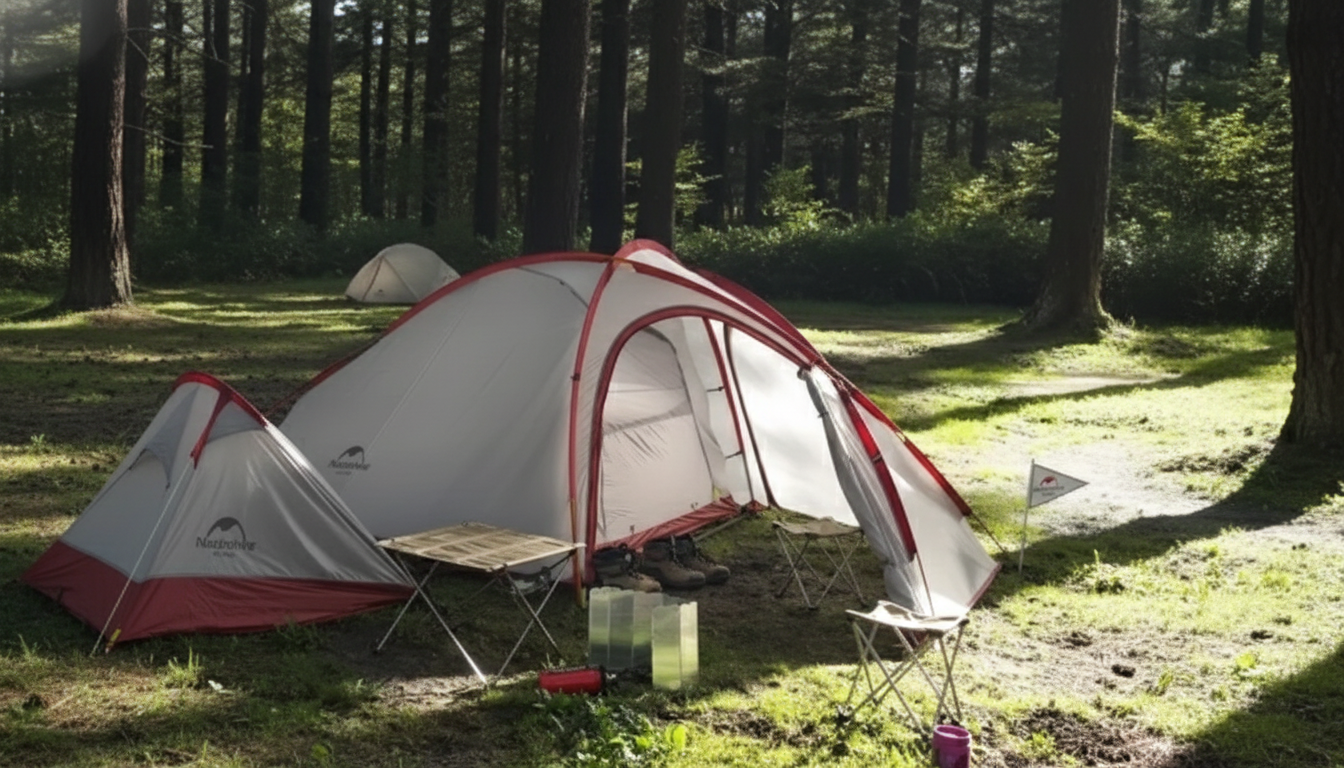
Ultralight 4-Season Comfort for 3–4 Campers: Double Layers, Wind Protection, and a Real “Living Room”
A true 4-season shelter has to balance warmth, storm protection, ventilation, and livability. For longer trips and harsher shoulder-season weather, two details make a noticeable difference: a double-layer build (inner tent + full rainfly) and a vestibule or “living room” space that keeps the sleeping area clean, dry, and calmer. Below is a practical guide to what these features actually do in the field, what to verify before buying, and how to pitch and maintain an ultralight 4-season tent meant for 3–4 people.
What “4-season” really means for an ultralight tent
“4-season” generally signals improved wind stability and better control over drafts compared with most 3-season designs. It’s built for mixed precipitation, strong gusts, and cold nights—especially in exposed camps. That said, not every 4-season model is intended for heavy alpine snowfall, so it’s smart to confirm the intended conditions on the product page before relying on it in deep-winter storm cycles.
For ultralight models, pay closest attention to three performance areas:
- Wind stability: pole geometry, pole material, and how many guy-out points you can actually tension.
- Snow/rain shedding: fly shape and how taut it can be pitched without sagging.
- Controlled airflow: vents you can open and close without turning the tent into a sail.
Ultralight designs often trade some fabric thickness and interior volume for packability. That makes smart site selection and proper guying more important—especially above treeline or on frozen ground where stakes don’t bite easily.
Why double layers matter: warmth, condensation control, and versatility
Double-layer tents separate the “weather shell” from the “sleeping space.” The inner layer is typically breathable, helping reduce drafts and keeping condensation from contacting sleeping bags by creating a buffer zone. The outer rainfly takes the brunt of wind-driven rain, spindrift, and splashback.
In cold, humid, or coastal conditions, double-layer setups also tend to offer more venting options than single-wall shelters. That matters because condensation isn’t just annoying—wet insulation can lose warmth fast on multi-night trips.
| Feature | What it improves | What to check before buying |
|---|---|---|
| Breathable inner + fly gap | Condensation management | Vent locations, mesh vs solid panels, fly-to-ground adjustment |
| Full-coverage rainfly | Wind/rain protection | Storm flaps, fly shape, stake-out points |
| Two-layer doors | Draft control + bug control | Door design, zipper durability, ease of use with gloves |
| Modular pitching | Adaptability across seasons | Whether the inner/fly can be used separately (if specified) |
Before ordering, look closely at seam quality, zipper coverage, adjustable vents, and whether the fly can be pitched taut and stay taut after fabric relaxes.
The “living room” space: vestibule and gear management for 3–4 people
A dedicated vestibule—or a larger “living room” entry area—does more than store backpacks. It helps keep wet boots, snow-crusted layers, and cookware out of the sleeping area, which is especially important in winter or during prolonged rain. For 3–4 campers, that separation can reduce crowding and lower condensation because damp gear isn’t off-gassing moisture inside the inner tent.
Practical ways campers use this space include:
- Staging gear: packs, traction devices, and trekking poles where they’re accessible but not on sleeping pads.
- Changing layers out of the wind: a calmer transition zone helps prevent heat loss and keeps the inner cleaner.
- Careful cooking setup: only with safe ventilation and a stable stove surface, keeping flame and heat well away from fabric.
Check for door tie-backs, the ability to vent the vestibule without exposing the inner to rain, and whether any vestibule floor option is included or compatible (if offered).
Ultralight comfort checklist for cold and windy trips
To understand why wind protection is such a big deal in the cold, NOAA’s wind chill guidance is a helpful reference: NOAA National Weather Service: Wind Chill.
Setup notes that improve stormworthiness
A good pitch can turn a rough night into a manageable one. Start with smart site selection: avoid depressions where water pools, use natural windbreaks when available, and keep distance from dead branches and avalanche paths. The National Park Service has solid cold-weather planning reminders here: NPS: Winter Safety.
For general trip prep and minimizing avoidable mistakes, Leave No Trace: Plan Ahead and Prepare is a useful checklist-style overview.
Care and longevity: keep an ultralight shelter performing
Recommended gear from our store
- Ultralight 4-Season Tent for 3-4 People with Double Layers and Living Room — built for campers who want a lighter carry while keeping a double-layer setup and a dedicated gear/living space for rough weather.
- Magnetic Indoor Bike Trainer Stand for 24-28” & 700C Bikes – 6-Level Resistance — a practical off-season option for building leg endurance before long approaches and heavy-pack climbs.
FAQ
Is a 4-season tent always warmer than a 3-season tent?
Not automatically. A 4-season tent usually lets you control airflow and drafts better, but warmth still depends on ventilation settings, how well the fly seals in wind, and your sleeping bag/pad system.
How do double layers reduce condensation?
The breathable inner helps keep moisture from touching your sleeping bag, while the fly gap and vents give humid air a path to escape. Vent high first when it’s cold, and keep wet gear in the vestibule to reduce moisture inside the inner.
Can 4 people actually sleep comfortably in a 3–4 person tent?
It can be tight. Check the floor width/length against your actual pad sizes, and plan to store most gear in the vestibule/living room so the sleeping area stays flat, dry, and usable.













Leave a comment