Magnetic Bike Trainer Stand: 6 Levels, 24–28″ & 700C
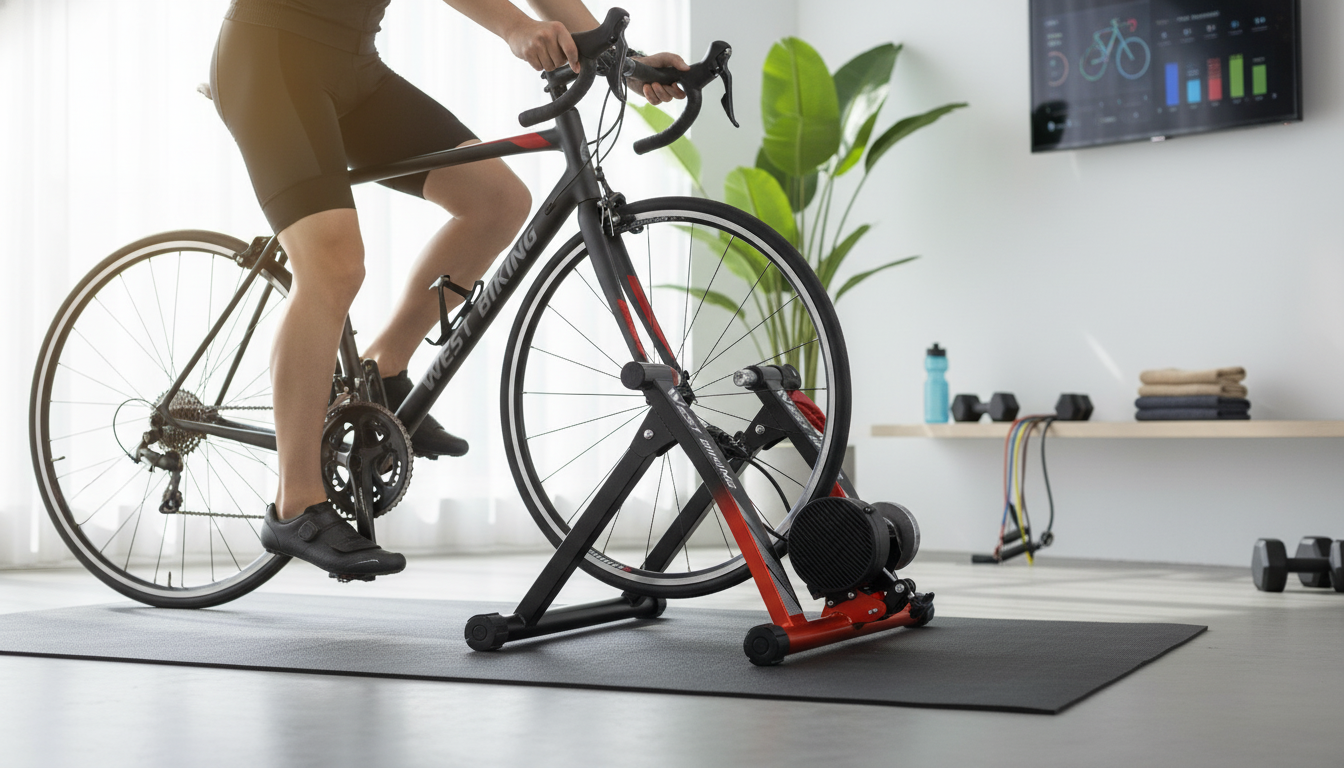
Magnetic Indoor Bike Trainer Stand for 24–28” & 700C Bikes with 6-Level Resistance
A magnetic bike trainer stand turns an outdoor bike into a stable indoor setup for steady endurance rides, warm-ups, and interval sessions. With 6 resistance levels and compatibility for 24–28” wheels plus 700C, this style of trainer is designed for convenient indoor riding while keeping the familiar fit, saddle, and handlebars of your own bike. For more guidance, see Health Benefits of Indoor Cycling: A Systematic Review – PMC.
What a Magnetic Trainer Stand Does
Wheel-on magnetic trainers are built to hold your bike in place by securing the rear axle and letting the rear tire drive a resistance roller. Instead of relying on wind, grade, or traffic conditions, you control the load with a simple resistance selector—great for repeatable indoor sessions. For further reading, see The Benefits of Stationary Biking – Arthritis Foundation.
- Creates a fixed rear-wheel setup so a standard bicycle can be ridden indoors with the rear tire driving a resistance roller
- Uses magnetic resistance to add adjustable load while maintaining a smooth, consistent pedaling feel
- Supports repeatable sessions for cadence drills, base rides, and short intervals when outdoor riding isn’t practical
- Typically requires only a small footprint, making it suitable for spare rooms, garages, and many apartments
Compatibility and Fit: 24–28” and 700C Bikes
The most common frustration with indoor trainers is fit: wheel size, axle type, tire width, and available room all matter. A stand that supports 24–28” and 700C covers a broad range of bikes—road, hybrid, fitness, and many older or lighter-duty mountain bikes.
- Wheel size range covers many road, hybrid, fitness, and some mountain bikes (24”, 26”, 27.5”, 28”, and 700C are commonly encountered)
- Confirm rear wheel and tire clearance around the roller area; wider tires can work but may change noise and the tire contact patch
- Check rear axle type before buying: quick-release skewers are common; thru-axle bikes may need an adapter depending on the trainer’s clamping system
- Measure available space: allow extra room for mounting/dismounting, a fan, and a sweat cover if used
| Item to check | What to look for | Why it matters |
|---|---|---|
| Wheel size | 24–28” or 700C | Ensures the frame sits level and the roller contacts the tire correctly |
| Rear axle | Quick-release or compatible thru-axle setup | Determines whether the bike can be clamped securely |
| Tire condition | No cuts, adequate tread, correct pressure | Improves traction and reduces vibration/noise |
| Available space | Stable floor area plus clearance | Helps avoid wobble and makes rides more comfortable |
6-Level Resistance: How to Use It Well
Six resistance levels give enough range for most indoor needs without turning setup into a science project. The trick is to pair resistance with a consistent cadence target so efforts feel comparable week to week.
- Lower levels suit warm-ups, recovery spins, and cadence technique work without excessive fatigue
- Mid levels work for steady endurance rides and tempo efforts when maintaining a consistent output is the goal
- Higher levels are useful for short intervals, strength-endurance work, and simulating gentle climbs
- For repeatable sessions, pair resistance changes with consistent cadence targets (for example, 90–100 rpm for endurance; 60–75 rpm for strength-focused blocks)
- If using a speed/cadence sensor or heart-rate monitor, adjust level to keep effort consistent across different days
For general health, consistent weekly volume matters as much as any single “perfect” workout. The American Heart Association’s adult activity recommendations can be a helpful baseline when planning indoor ride frequency and duration.
Setup, Stability, and Noise Control
A stable, quiet setup makes indoor riding far more enjoyable—especially in shared spaces. Most noise comes from tire-to-roller contact, vibrations through the floor, and an unmaintained drivetrain.
- Place the trainer on a level surface; use a trainer mat to protect floors and reduce vibration transfer
- Tighten the clamp/locking mechanism securely and confirm the bike sits centered before riding
- Set tire pressure consistently; underinflated tires can feel sluggish and increase heat and wear
- Roller tension should be firm enough to prevent slipping during harder efforts but not so tight that it accelerates tire wear
- Reduce noise with a dedicated trainer tire (if compatible), a mat, and smooth pedaling technique; keep the drivetrain clean and lubricated
Keeping the chain and cassette clean also improves shift quality and reduces friction. Park Tool’s repair guidance on drivetrain cleaning and lubrication is a reliable reference for building a simple maintenance routine.
Training Ideas for Indoor Sessions
Indoor sessions work best when they’re simple, time-efficient, and repeatable. Pick a goal for the day (easy aerobic, technique, or intensity) and match the resistance level accordingly.
Care, Maintenance, and Safety
Is This Style of Trainer the Right Pick?
In-Stock Picks
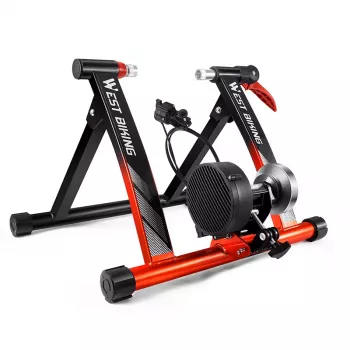
- Magnetic Indoor Bike Trainer Stand for 24-28” & 700C Bikes – 6-Level Resistance
- RGB USB Condenser Microphone for Streaming, Recording, Gaming & Studio (handy for virtual group rides, coaching calls, or recording training notes)
- Professional Hair Clipper with LED Display & DLC Blades for Men (a practical add-on for at-home routines when you’re training more indoors)
FAQ
Will a 700C road bike fit on a magnetic indoor trainer stand?
Yes, as long as the trainer supports 700C and the rear axle can be clamped securely. Confirm whether your bike uses a quick-release skewer or a thru-axle and check tire clearance at the roller.
How do the 6 resistance levels affect workouts?
Lower levels are ideal for warm-ups and recovery, mid levels suit endurance and tempo, and higher levels help with short intervals and strength-focused efforts. Keeping cadence targets consistent makes the sessions easier to repeat.
How can indoor trainer noise be reduced?
Use a trainer mat, keep tire pressure consistent, and set roller tension high enough to prevent slipping without over-tightening. A clean drivetrain and, if compatible, a trainer-specific tire can also cut down on noise.













Leave a comment