Remote-Control Foot & Calf Massager With Heat: Guide
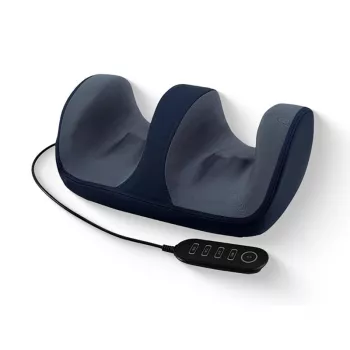
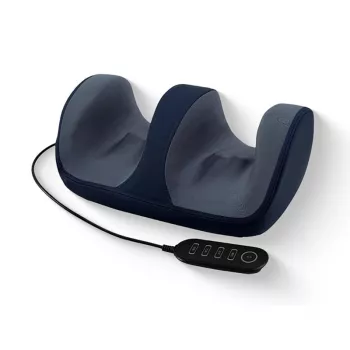
Electric Foot and Calf Massager with Remote Control and Heat Therapy
Daily standing, long walks, workouts, and hours at a desk can leave feet and calves feeling heavy and tight. A powered massager that combines targeted pressure with gentle warmth can help create a consistent recovery routine at home—especially when controls are easy to adjust from a chair or sofa.
What this massager is designed to do
An electric foot-and-calf massager is built for hands-free relief that’s easy to fit into everyday life. Instead of focusing only on arches or soles, a combined unit targets both the feet and the calves—helpful when calf tightness contributes to overall lower-leg fatigue.
- Delivers focused massage to the feet and calves in a single unit, aiming to ease day-to-day tightness and fatigue.
- Adds heat to support relaxation and comfort during sessions.
- Includes a remote control so intensity and modes can be adjusted without bending down.
- Fits naturally into short recovery breaks, evening wind-down routines, or post-activity cooldowns.
Key features to look for (and why they matter)
Not all massagers feel the same. The most comfortable experience usually comes from having enough control to fine-tune pressure, duration, and warmth based on how your body feels that day.
- Massage modes and intensity levels: helpful for switching between a gentle relaxation session and a deeper, more invigorating feel.
- Heat function: supports comfort and can be especially soothing in cooler environments or after prolonged standing.
- Remote control: convenient for older adults, people with limited mobility, or anyone using the device while reclining.
- Foot-and-calf coverage: useful when discomfort isn’t limited to arches and soles—calf tightness often contributes to foot strain.
- Comfort and fit: interior space and positioning should feel secure without excessive pressure on the top of the foot or around the ankle.
Quick checklist for choosing settings
| Need | Suggested approach | What to avoid |
|---|---|---|
| General end-of-day fatigue | Low-to-medium intensity with heat for 10–15 minutes | Starting at max intensity immediately |
| Post-walk or workout tightness | Medium intensity; focus on calf coverage; add heat if desired | Long sessions that cause soreness |
| Sensitivity or ticklish feet | Lowest setting; shorter intervals; gradually increase | High speed or aggressive pressure from the start |
| Cold feet / winter comfort | Heat on + gentle massage | Heat that feels too hot or irritates skin |
Heat therapy: how to use warmth comfortably
Heat can make a massage feel more relaxing, but the goal is comfortable warmth—not maximum temperature. If you’re new to heat therapy, start conservatively and adjust based on how your skin and muscles respond during and after the session.
- Use heat to support relaxation rather than chasing high temperature—warm and comfortable is the goal.
- Keep sessions shorter when combining deeper massage with heat, especially if new to heat therapy.
- Avoid heat use on areas with reduced sensation unless cleared by a clinician, since it may be harder to notice excessive warmth.
- If swelling is present after an acute injury, heat may not be appropriate—consider medical guidance for the best approach.
For a helpful overview of when and how to use heat, see Cleveland Clinic — Heat Therapy.
Remote control: convenience that changes the routine
A remote control sounds simple, but it can be the difference between “occasionally used” and “part of the week.” When you can adjust settings without leaning forward or stopping what you’re doing, it’s easier to stay relaxed and keep the session consistent.
- Makes it easier to experiment with modes and intensity to find a comfortable pattern without interrupting the session.
- Supports consistent use—simple adjustments encourage people to use the massager more regularly.
- Helpful for multi-tasking (reading, watching TV) while still fine-tuning comfort.
Who tends to benefit most
Foot-and-calf massage is often chosen for everyday comfort rather than a one-time fix. It can be especially appealing for people who feel lower-leg tightness build up gradually across the day.
- People who stand for long periods (retail, healthcare, hospitality) and want a relaxing reset at the end of the day.
- Walkers, runners, cyclists, and gym-goers who want a simple recovery habit for calves and feet.
- Desk workers who notice calf tightness from long sitting or reduced daily movement.
- Anyone who prefers a seated, hands-free option compared with manual massage tools.
If you have reduced sensation (for example, from peripheral neuropathy), take extra care with heat and intensity. A general overview is available from Mayo Clinic — Neuropathy.
How to use it: a simple 10–20 minute routine
Safety, care, and practical tips
Product options available now
- Electric Foot and Calf Massager with Remote Control and Heat Therapy — a single, at-home device that combines hands-free massage with warmth and convenient remote adjustments.
- Magnetic Indoor Bike Trainer Stand for 24-28” & 700C Bikes – 6-Level Resistance — a practical add-on for low-impact indoor riding when you want steady movement that can help reduce “stuck” legs from long periods of sitting.
- RGB USB Condenser Microphone for Streaming, Recording, Gaming & Studio — helpful for a more comfortable desk setup when you’re seated for long stretches and want to reduce strain from leaning in during calls or streams.
FAQ
How long should a session last?
Common routines range from 10 to 20 minutes. Start shorter on low intensity, then increase gradually based on comfort and how your legs feel afterward.
Is heat safe to use every day?
It’s often fine when the warmth is gentle and comfortable. Avoid heat if you have reduced sensation, certain circulation conditions, or if warmth seems to worsen swelling, and check with a clinician if you’re unsure.
Can it help with tired calves after standing all day?
Many people use calf massage plus heat for end-of-day tightness. Stick with moderate settings and stop if you notice sharp pain, numbness, or discomfort that lingers.















Leave a comment