How to Clean White Furniture: Care, Stains, and Shine
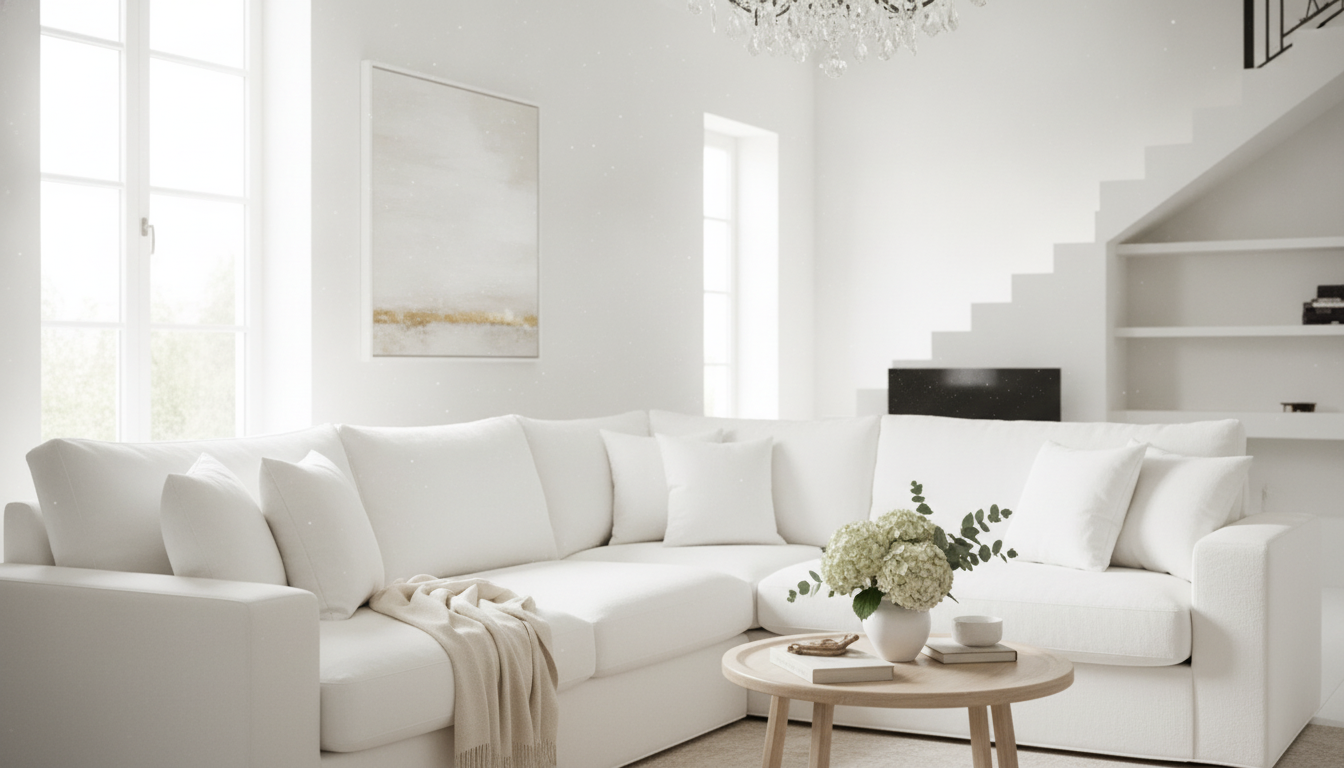
Keeping White Furniture Pristine: Cleaning, Daily Care, and Stain Rescue Made Simple
White furniture looks striking when it’s bright and even-toned, but it shows dust, dye transfer, and spills fast. A practical routine—matched to fabric or finish—prevents dullness, yellowing, and “shadow stains” that set over time. Below is a clear care system: daily maintenance, weekly resets, spot-treatment steps, and protection habits, plus an AI-assisted way to log materials, stains, and what worked so future cleanups are faster and safer.
Start With the Material: Fabric, Leather, or Painted Wood
Before any cleaner touches a white surface, identify what you’re working with. For upholstery, look for the care tag codes: W (water-based), S (solvent), WS (either), or X (vacuum only). Also note the fiber and build: performance fabric, cotton/linen blends, microfiber, velvet, faux leather, aniline leather, or protected leather. For wood pieces, confirm whether the finish is painted, lacquered, sealed, or a matte/unsealed look—cleaning strength depends on the topcoat.
Always do a hidden spot test on the back, underside, or inside edge. Bright whites and matte finishes can change tone if a product leaves residue or slightly etches the surface. Keep a compact “care kit” nearby so you don’t improvise with colored rags or harsh sprays: white microfiber cloths, a soft brush, a vacuum upholstery tool, distilled water, mild dish soap, 70% isopropyl alcohol (only for certain ink/dye cases on some materials), and a stack of paper towels for blotting.
| Surface | Best everyday option | Avoid |
|---|---|---|
| Performance fabric (most) | Vacuum + distilled water light mist and blot | Over-wetting seams; colored cloths that can transfer dye |
| Microfiber | Rubbing alcohol (lightly) + soft brush, then vacuum | Water saturation that can leave rings |
| Protected leather / faux leather | Damp cloth + pH-balanced leather cleaner occasionally | Alcohol, bleach, abrasive melamine sponges |
| Painted or sealed wood | Slightly damp microfiber + a drop of mild soap | All-purpose degreasers, ammonia, soaking water |
| Unsealed / matte finishes | Dry dusting + minimal moisture, fast wipe-dry | Polishes that add shine or leave residue |
Daily Maintenance: The 5-Minute Routine That Prevents Graying
Most “dirty white” furniture isn’t ruined—it’s gradually abraded and coated. A short daily pass keeps whites crisp and reduces the need for aggressive cleaning later.
- Dry dust first: use a clean microfiber cloth so dust lifts away instead of smearing into a gray film.
- Vacuum upholstery and crevices: crumbs and grit grind into fibers and make bright fabric look dull.
- Handle fresh marks immediately: blot (don’t rub) and treat lightly; speed prevents set-in discoloration.
- Reduce contact transfer: keep dark denim, new throw blankets, and dyed pillows off white seating until colorfast.
- Set a simple rule: no shoes on white upholstered seating; place washable throws in high-contact zones.
Weekly Reset: Even Tone, Less Yellowing, Longer Life
White furniture looks best when it’s evenly clean. A weekly reset prevents the “clean spot surrounded by dingy fabric” effect that happens when only obvious stains get treated.
- Vacuum thoroughly (including under cushions), then do a light overall refresh appropriate to the material.
- Use distilled water for mist-and-blot routines when safe; minerals in hard water can leave rings or a faint haze.
- For wood and painted pieces: wipe with a barely damp cloth, then immediately dry—especially handles, edges, and areas touched often.
- Rotate cushions and pillows to spread wear and reduce uneven darkening on favorite seats.
- Check sunlight exposure: rotate pieces or add UV-filtering window treatments to slow yellowing and uneven fading.
For product selection, safer ingredient standards can help narrow options when you’re stocking your care kit. The EPA Safer Choice program is a useful reference point for cleaning product guidance, and the CDC’s cleaning vs. disinfecting basics can keep routines focused on removing soil first (disinfectants aren’t the default for furniture care).
Stain Rescue: A Simple Decision Path (Blot, Identify, Treat, Rinse, Dry)
Enzyme cleaners can help on protein stains when the fabric allows it, but always spot test first. Alcohol can lift some ink from microfiber, yet it can damage certain finishes and coatings—spot testing is non-negotiable. For extra stain-type references, the American Cleaning Institute’s stain guide is a practical starting point for understanding what you’re dealing with.
Common white-furniture stains and first responses
Protection Habits That Keep Whites Bright (Without Making Them Feel Untouchable)
AI-Powered Furniture Care: Turn Past Cleanups Into a Personal Playbook
A Practical Digital Guide for White Furniture: What to Expect
If you want a phone-friendly checklist you can pull up the moment a spill happens, the Keeping White Furniture Pristine digital download guide organizes daily routines, weekly resets, and targeted stain steps by common white surfaces—plus an AI-assisted framework for documenting what worked so the next cleanup is faster and safer.
For anyone who prefers recording quick voice notes or making short “before/after” clips while testing methods, the RGB USB Condenser Microphone for Streaming, Recording, Gaming & Studio can make it easier to capture clear audio instructions for yourself or a household member—especially if you’re building a repeatable care routine.
FAQ
How can white upholstery be cleaned without leaving water rings?
Use minimal moisture, blot from the outside toward the center, and rinse away cleaner residue with a barely damp cloth. Distilled water helps reduce mineral marks, and drying with steady airflow (without soaking seams) minimizes rings.
What causes white furniture to turn yellow over time?
Common causes include UV exposure, oxidizing residues from smoke or cooking oils, body oils, and buildup from cleaning products that aren’t fully wiped away. Gentle routine cleaning, residue-free wiping, and reducing harsh sunlight help keep the original tone longer.
Is it safe to use bleach on white couches or painted furniture?
Generally no—bleach can weaken fibers, cause yellowing, and damage finishes. When whitening is needed, use fabric-appropriate oxygen-based options where suitable and always spot test first.













Leave a comment